
Conservation
Restore & Protect
At Chimfunshi, conservation is not only about caring for individual animals, it’s about protecting entire ecosystems. Our landscape management and conservation initiatives aim to sustain the delicate balance between biodiversity, natural habitats, and human communities. Through science-based strategies, sustainable land practices, and strong partnerships, we safeguard the integrity of the Chimfunshi landscape and ensure it continues to support life in all its forms.

Our Protected Area
At Chimfunshi, conservation begins with the land itself. We protect over 10,000 hectares of vulnerable and life-rich ecosystems, forming a vital refuge for both wildlife and local communities.
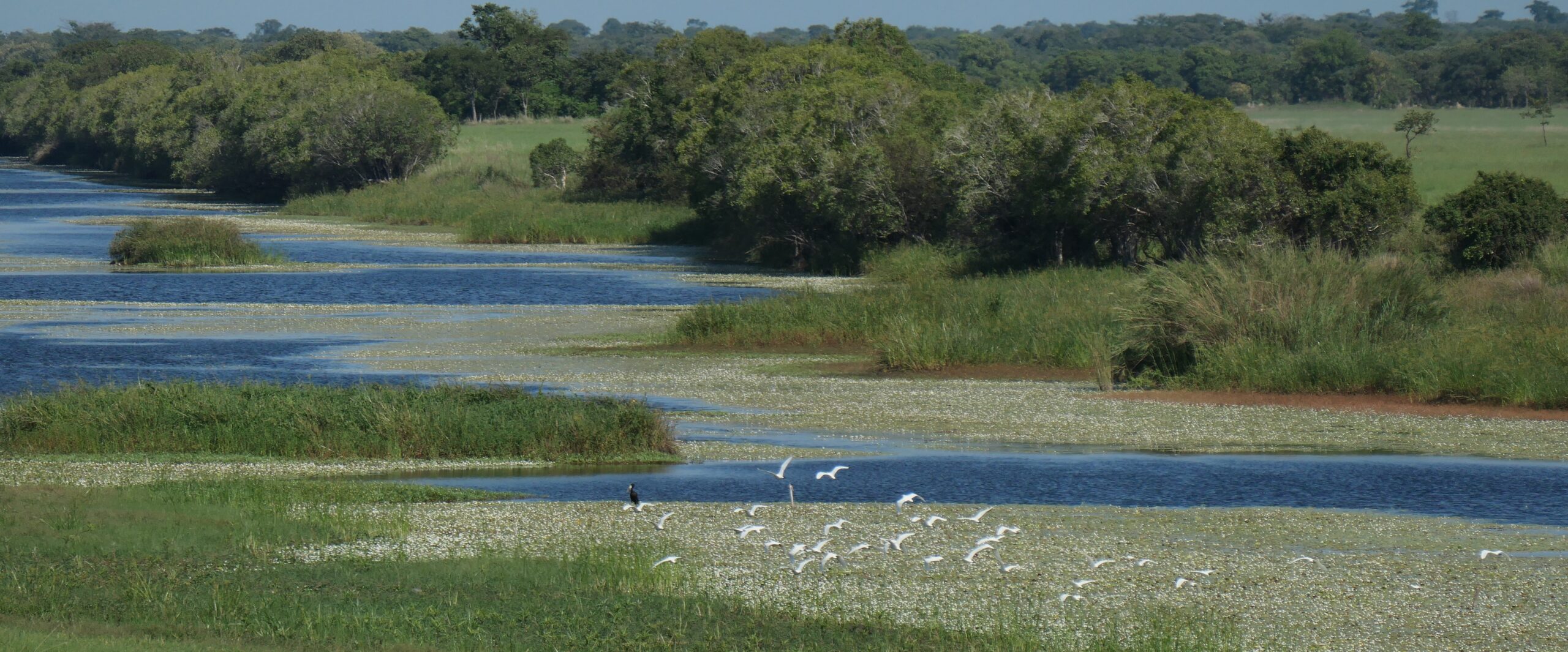
This expansive landscape, anchored in Zambia’s Wet Miombo woodland, is increasingly under threat from both global and local pressures. Climate change is driving longer, harsher droughts, while localized threats such as poaching, uncontrolled bushfires, and charcoal production continue to erode habitat integrity. Chimfunshi’s protected area includes a dynamic mosaic of ecosystems: from open Miombo woodlands dominated by Brachystegia and Julbernardia trees, to denser Mushitu forests that shelter watercourses and host higher biodiversity. The Kafue River runs for 40 kilometers along our border, expanding into 4,000 hectares of dambos. These dambos are critical breeding grounds for fish, attract migratory birds, and provide clean water for wildlife and people alike, feeding the river system throughout the rainy season and mitigating floods. Together, these habitats sequester carbon, preserve regional biodiversity, especially birds and insects, and support sustainable livelihoods.
We were designated as an “Important Bird Area” (IBA #22) in 2010, a global recognition given to areas that are crucial for the conservation of bird populations, with over 345 species. Endangered bird species found at here include the Wattled Crane, the Hooded Vulture, the Ground Hornbill, the Bateleur Eagle, … In addition to its birdlife, we are home to a wide variety of mammals, reptiles, insects, and, seasonally, mushrooms, further contributing to its ecological significance.
Protecting this ecological mosaic is at the heart of Chimfunshi’s mission, ensuring it remains a sanctuary not just for rescued animals, but for nature itself.

Assess & Protect
Conservation Education
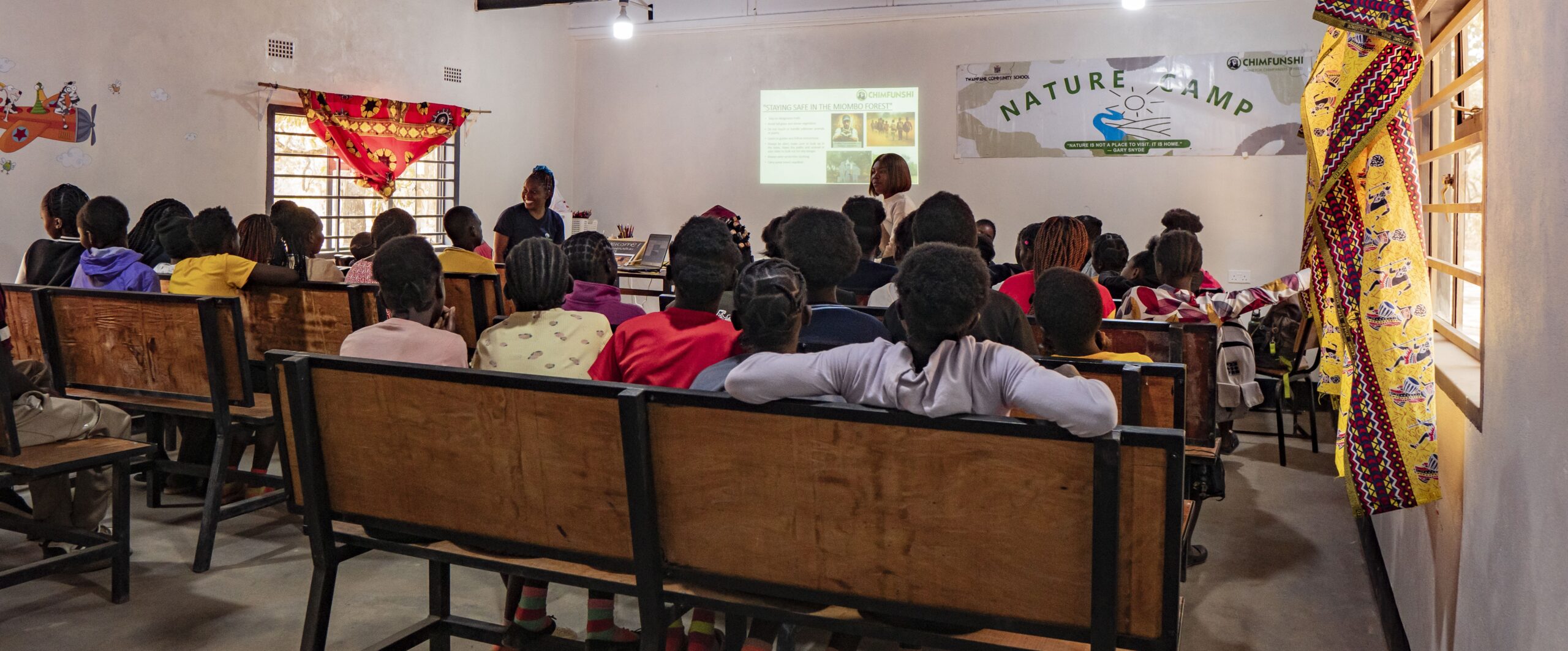
Education is a cornerstone of Chimfunshi’s conservation mission. We believe that lasting protection of biodiversity begins with awareness and understanding. Within Chimfunshi, we host interactive programs for visitors, students, and community members that highlight the importance of Zambia’s unique ecosystems and the urgent need to protect them. Beyond our borders, we organize workshops and outreach events in surrounding communities and schools, equipping local residents with knowledge and practical tools to engage in sustainable living. These programs promote a sense of stewardship, offering real-world solutions that help reduce environmental pressures while supporting community well-being.
Anti-Poaching Unit
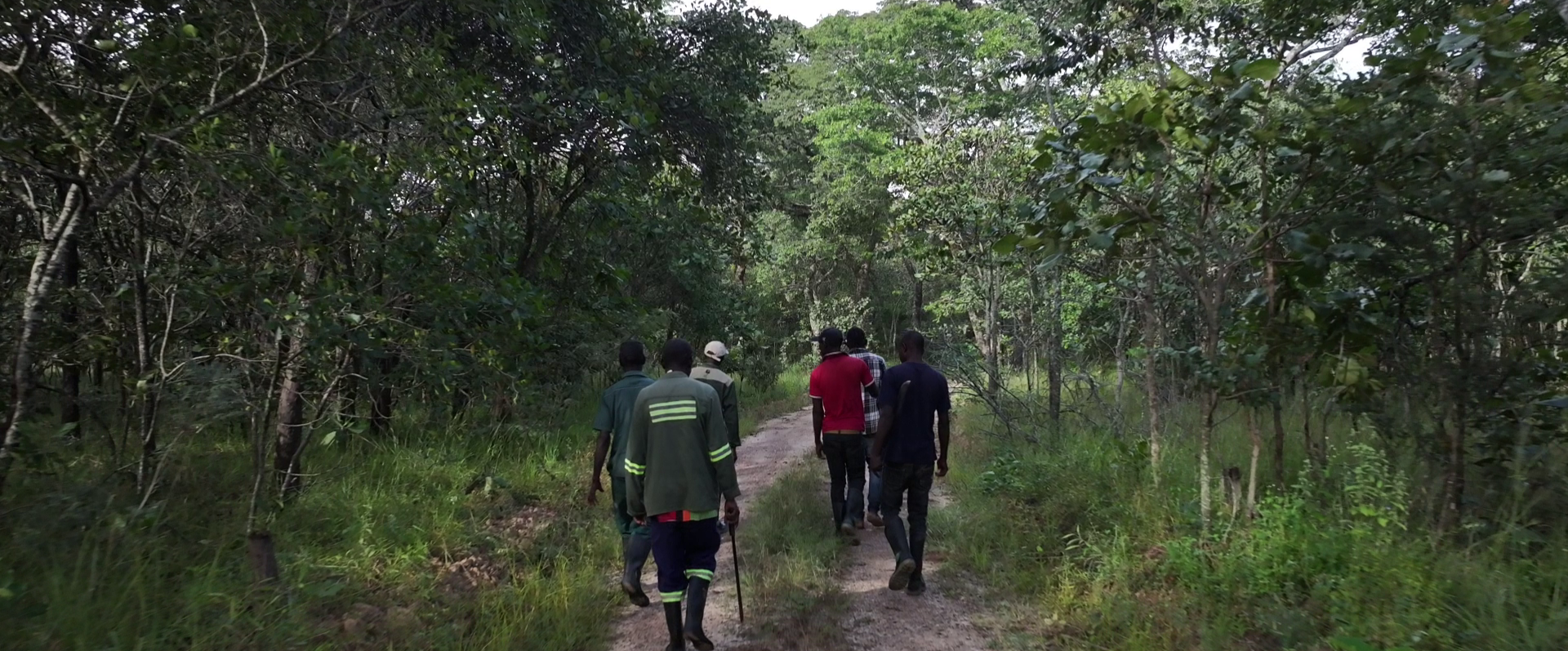
To safeguard Chimfunshi’s wildlife and habitats, we operate a dedicated Anti-Poaching Unit that patrols and monitors our land. These local conservationists work to prevent illegal activities, removing snares, deterring intrusions, and responding quickly to any threats. Their presence helps protect both fauna and flora, ensuring that endangered species and sensitive ecosystems remain undisturbed. By maintaining a visible and proactive presence on the ground, we ensure that conservation is enforced and respected.
Conservation Team
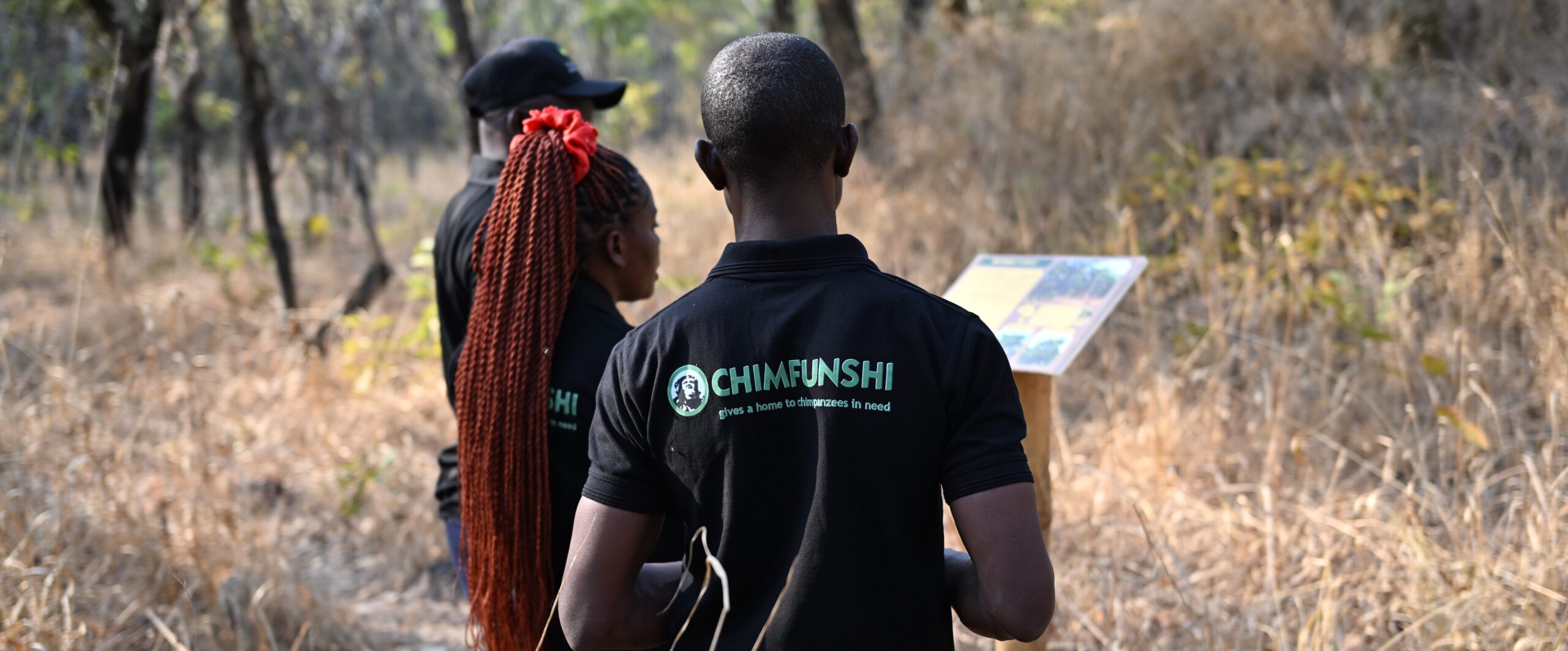
Our Conservation Team is the scientific backbone of Chimfunshi’s environmental work. From tracking key wildlife species to conducting surveys, their data-driven approach guides every conservation decision we make. Using field observations, camera traps, and mapping technologies, the team monitors ecosystem health and can identify emerging threats, such as habitat degradation or species decline. Special attention is given to vulnerable and endangered species, ensuring they have the habitat, resources, and protection they need to survive. Their work not only enhances our local impact, but also helps position Chimfunshi as a valuable contributor to global biodiversity knowledge and protection.
Vision for 2030:
Thriving Ecosystems for a Sustainable Future
By 2030, Chimfunshi aims to create a resilient landscape in and around its land as a sustainable development model for the Copperbelt and Zambia that empowers communities, encourages collaboration among stakeholders, and integrates conservation and ecosystem restoration.
Our Strategy
To realize our conservation vision, we have structured our strategy around five core steps:
1. Understand Threats:
Identify and understand threats to nature, whether direct or indirect. Use science and technology to prioritize actions and monitor progress.
2. Protect Nature:
Enhance measures to prevent damage and monitor ecosystems, helping to keep natural environments and native species safe.
3. Manage Resources:
Improve how natural lands, like the Kafue watershed, are managed to reduce negative impacts from activities, climate change, pollution, and human interference.
4. Restore Ecosystems:
Repair and restore damaged ecosystems to recover species and habitats affected by past and current threats.
5. Value Ecosystems:
Protect and promote ecosystem services (like clean water, food, and cultural benefits) through sustainable use, activities, and awareness, supporting both people’s wellbeing and nature.